
Aquí encuentras todas las galerías de los diferentes momentos de la misión.
art002e012261 (April 6, 2026) - Multiple lunar landmarks come into view in this image, many of which were highlighted during the Artemis II crew’s observation call. Visible features include Ohm crater, Oceanus Procellarum, Grimaldi crater, Pierazzo crater, the newly proposed Carroll crater, and the expansive Hertzsprung Basin—together illustrating a range of geologic terrains, from dark volcanic plains to heavily cratered highlands and the remnants of ancient impact basins.
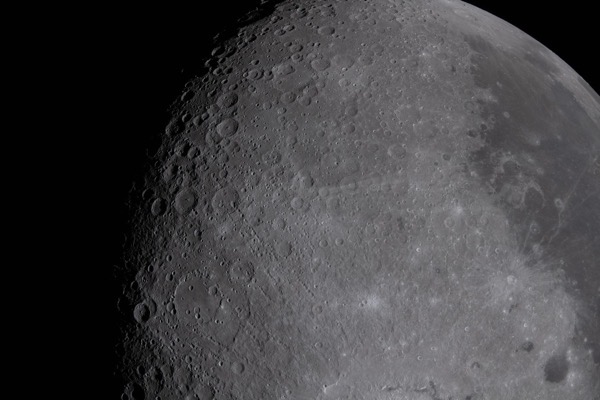
art002e010399 (April 6, 2026) During a lunar flyby observation period, the Artemis II crew captures craters dotting the surface of the Moon, revealing its rugged, ancient surface. This scarred landscape reflects a long history of cosmic collisions.
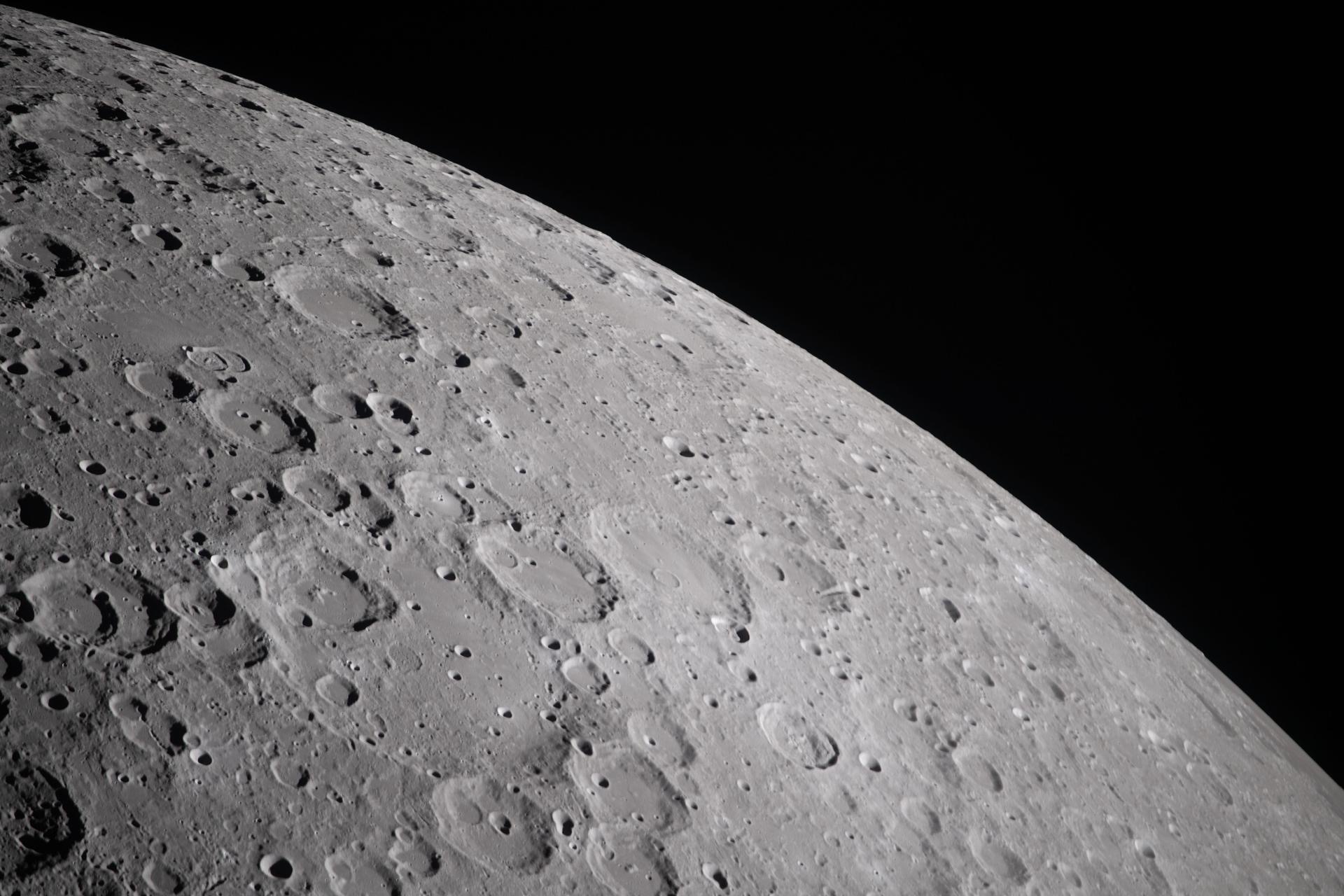
art002e009283 (April 6, 2026) – Captured by the Artemis II crew, the heavily cratered terrain of the eastern edge of the South Pole-Aitken basin is seen with the shadowed terminator – the boundary between lunar day and night – at the top of the image. The South Pole-Aitken basin is the largest and oldest basin on the Moon, providing a glimpse into an ancient geologic history built up over billions of years.
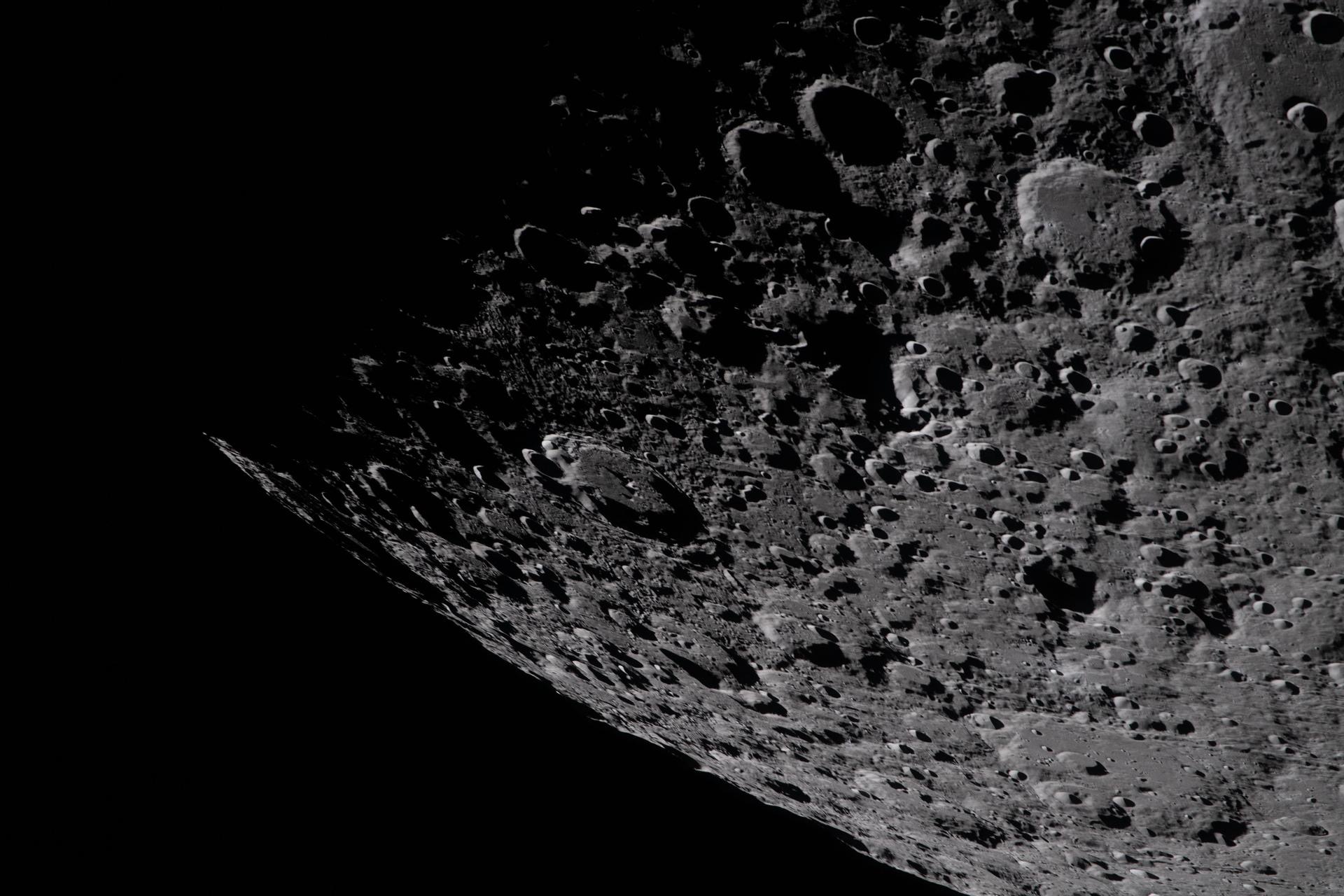
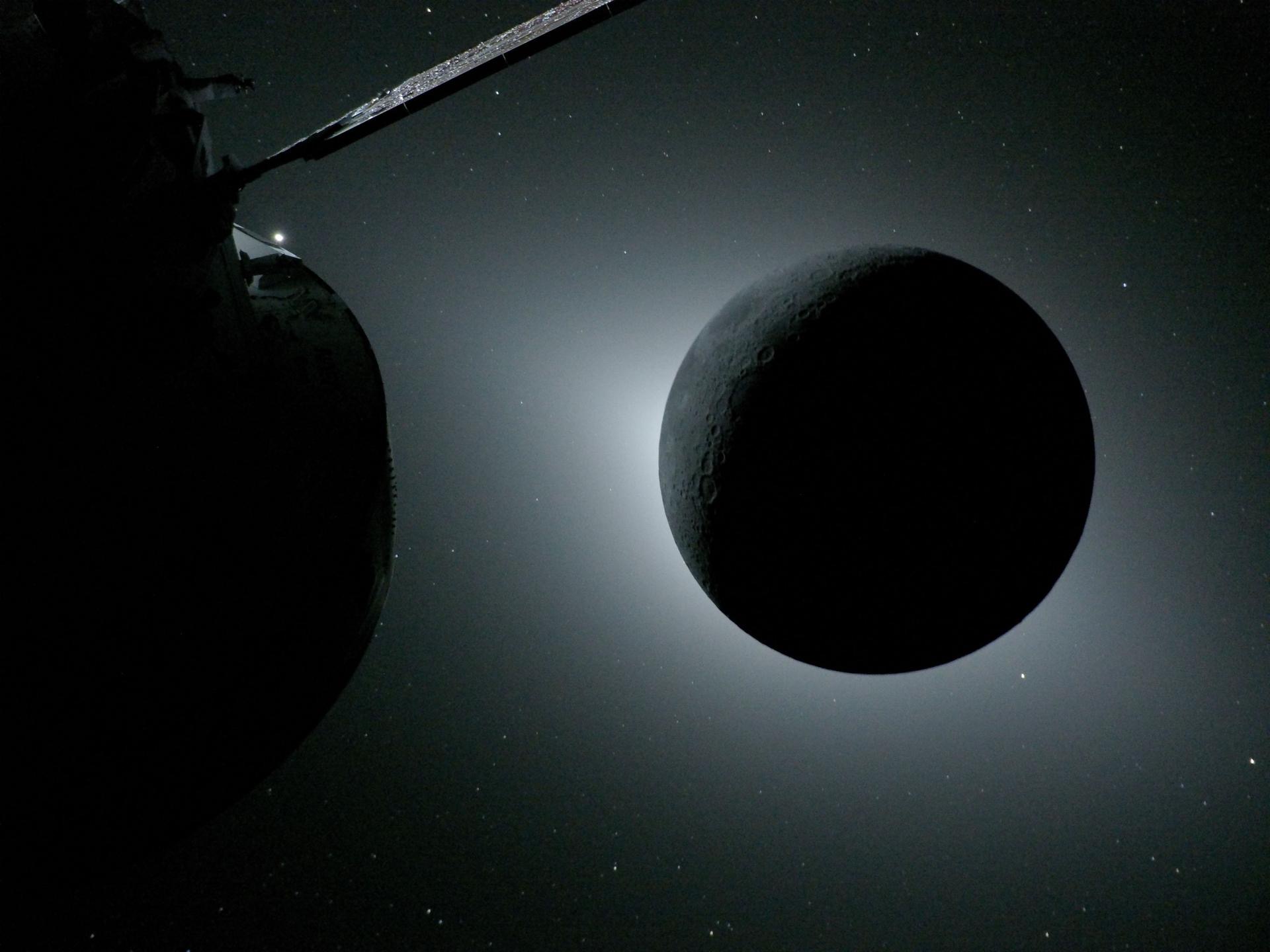
art002e009571 (April 6, 2026) - The Moon, backlit by the Sun during a solar eclipse, is photographed by NASA’s Orion spacecraft on April 6, 2026, during the Artemis II mission. Orion is visible in the foreground on the left. Earth is reflecting sunlight at the left edge of the Moon, which is slightly brighter than the rest of the disk. The bright spot visible just below the Moon’s bottom right edge is Saturn. Beyond that, the bright spot at the right edge of the image is Mars.
Comentarios
No hay comentarios aun.
Inicia sesión para comentar.